What "Kupanda" means
Kupanda is a Swahili word meaning "to grow" or "to plant." It reflects how the organisation works: not by building something new from the outside, but by planting resources, skills and connections into structures communities already have, and letting those structures grow.
Our story
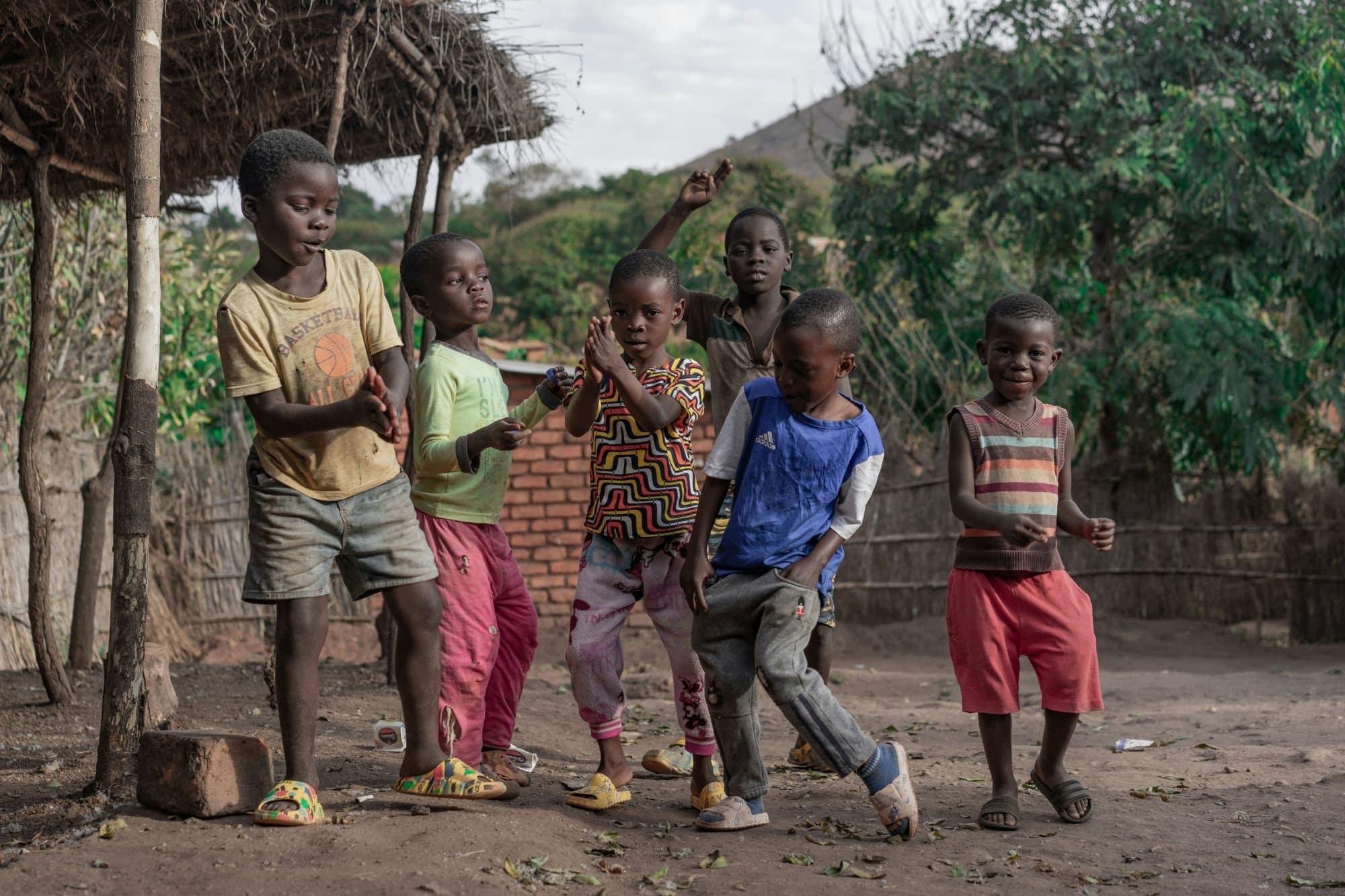
Kupanda Collective is a Uganda-based, women-led non-governmental organisation advancing inclusive, community-led development for refugee and host communities. Its work spans Uganda's urban refugee neighbourhoods and rural settlements alike: from Kampala divisions where refugees and host families share schools, markets and health facilities, to settlements such as Nakivale, where displacement is long-established and services remain thin for the youngest children.
In both contexts, the pattern is the same. Community structures already exist: childcare centres, schools, faith-based networks, caregiver groups, savings associations and refugee-led organisations. These are trusted and widely used, but often under-resourced, fragmented, and disconnected from one another. Kupanda Collective works to strengthen these structures into inclusive, multi-purpose hubs of early childhood development, health and livelihoods, while deliberately building participation and cohesion between refugees and host communities.
Over time, this work has built trust and legitimacy with refugee caregivers, host community members, refugee-led organisations, local leaders and government actors: the foundation for designing solutions with communities rather than for them.
The problem Kupanda exists to address
Programmes designed and delivered from outside a community rarely survive the end of a grant. Kupanda Collective starts from the opposite premise: that childcare, health and livelihoods support already exist in some form inside every community, carried by caregivers, cooperatives, faith networks and local leaders, and that lasting change comes from strengthening and connecting what is already trusted, not replacing it.
This is also why the organisation works across sectors rather than in a single lane. A child's development depends on nurturing care, health and nutrition, and a caregiver's capacity to provide all three depends on whether she has a reliable income. Treating these as separate programmes misses how families actually experience them.
Refugees and host communities in Uganda share schools, markets, health facilities and daily life, but they do not always share equally in decisions about the services they both rely on. Systemic barriers, including limited income, language barriers, discrimination and lack of documentation, restrict refugee access to services and livelihoods, while host communities can face real competition for scarce resources. Kupanda Collective designs deliberately for both communities together: programmes, governance structures and enterprises that include refugees and host-community members as co-designers and decision-makers, not as separate beneficiary groups.
Neighborhood Assemblies and People's Parliaments
Kupanda Collective's community platforms, Neighborhood Assemblies and community-led People's Parliaments, are structured, recurring spaces where refugees, host-community members, caregivers and local leaders come together for dialogue, priority-setting, joint decision-making and social accountability.
These platforms are not consultation events. They are the governance backbone of Kupanda's programming: communities use them to co-design services, set priorities, monitor quality, resolve grievances and engage duty bearers directly, keeping affordability and inclusion under community control.
Women-led leadership
Kupanda Collective is women-led, reflecting a belief that runs through all of its programming: that women, as caregivers, entrepreneurs, community leaders and professionals, should shape the decisions and systems that affect them, not simply receive services designed elsewhere.