
Caregiver Livelihoods and Economic Empowerment
Strengthening caregiver cooperatives, savings groups and livelihood associations, and connecting vocational training and market linkages to childcare and family wellbeing.
The challenge
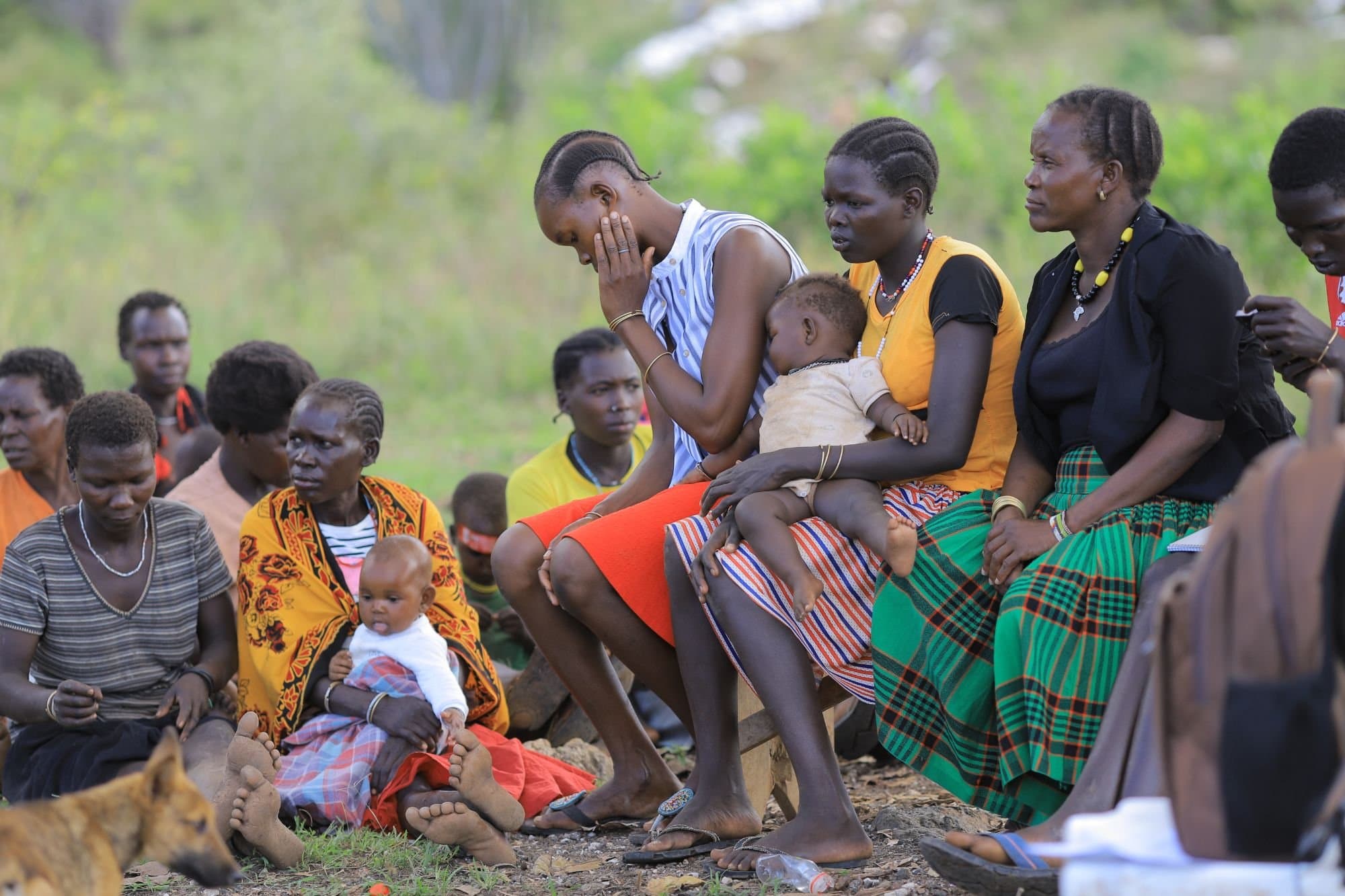
Caregivers, most often women, carry the weight of balancing income generation with unpaid care work. Without reliable childcare and a route to recognised income, this burden limits their economic participation and deepens household vulnerability.
Kupanda’s approach
Kupanda treats caregiving and livelihoods as connected, not competing, priorities. It strengthens the cooperatives and savings structures caregivers already form, and links vocational training, entrepreneurship and financial literacy directly to childcare and family wellbeing.
Interventions
- Strengthening caregiver cooperatives, savings groups and livelihood associations
- Vocational training and entrepreneurship support
- Financial literacy and market linkages
- Community financing approaches tied to childcare and health
- Support for caregivers to convert skills and experience into recognised income
Field noteThe change soughtCaregivers, particularly refugee women, earning dignified, recognised income, with economic participation no longer constrained by the absence of safe childcare.