Participation and Social Cohesion
Creating platforms, including Neighborhood Assemblies and People's Parliaments, where refugees and host communities jointly set priorities, monitor services and engage duty bearers.
The challenge
Refugees and host communities share schools, markets and health facilities, but decisions about services are often made without either group at the table. Competition for scarce resources can strain relations between communities that otherwise share daily life.
Kupanda’s approach
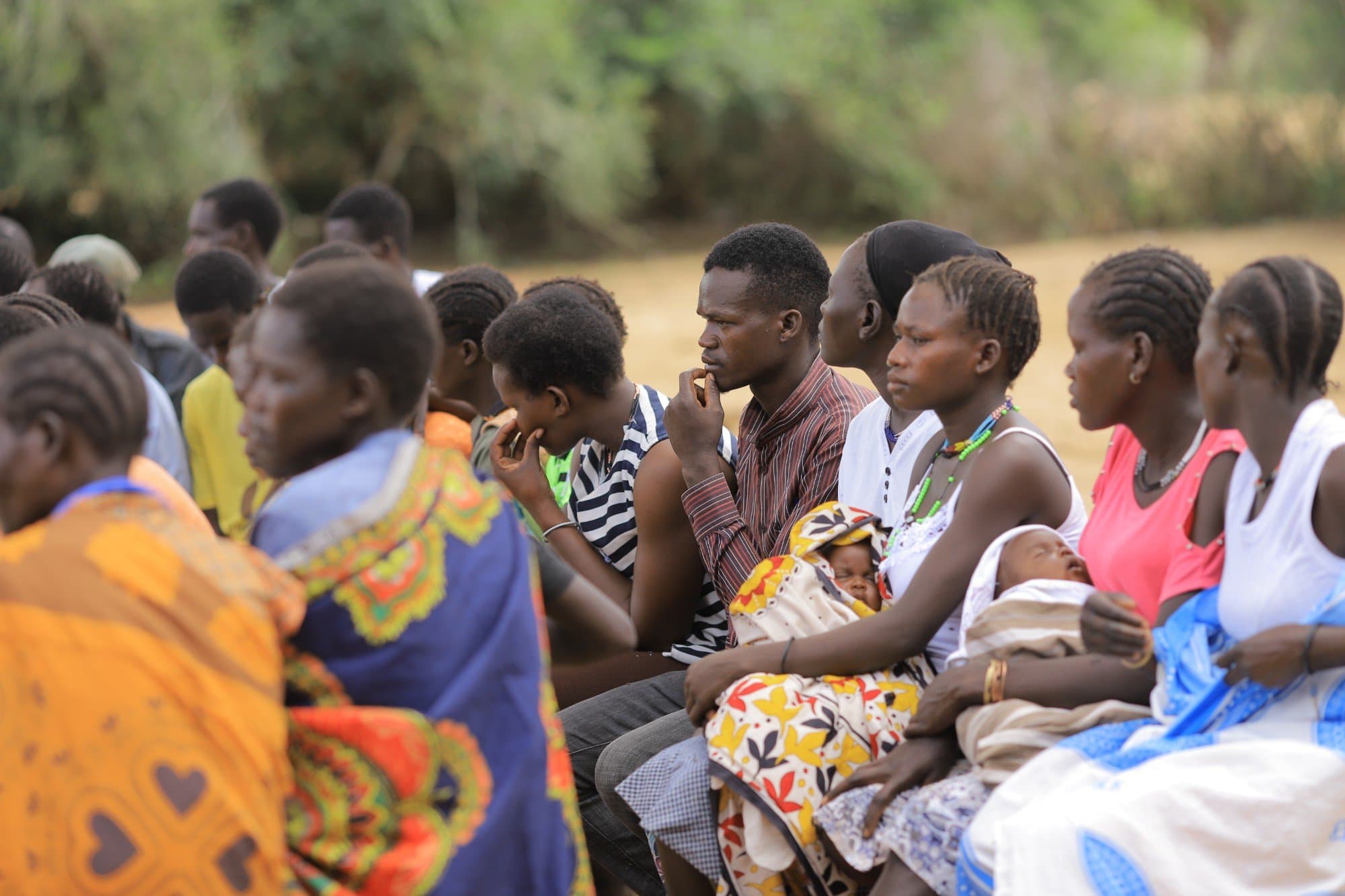
Kupanda convenes structured, recurring spaces for dialogue and joint decision-making: Neighborhood Assemblies and community-led People's Parliaments, where refugees and host-community members, especially women, caregivers and young people, shape programmes together rather than receiving them.
Interventions
- Facilitating Neighborhood Assemblies as a standing platform for dialogue and priority-setting
- Supporting community-led People's Parliaments for joint decision-making and accountability
- Forming refugee-host governance committees to co-manage community initiatives
- Strengthening leadership of women, young people and vulnerable groups
- Creating grievance and feedback pathways to duty bearers
Field noteThe change soughtRefugee and host communities jointly setting priorities, monitoring services and holding duty bearers accountable, with women, caregivers and young people visibly represented in decisions that affect them.